

Program Mission
The mission of the MS-ABA program is to enable students to become effective and ethical behavior analysts. Students will be prepared to apply principles of behavior analysis to enhance the lives of individuals across a wide variety of settings. The program emphasizes a foundation in theory, concepts, and principles, development of basic behavior analytic skills, and an emphasis on professional and ethical responsibilities.
Program Objectives
- To produce competent graduates who can work effectively and ethically across settings and with diverse populations.
- To enable students to obtain the knowledge and skills necessary for immediate employment in ABA and/or further graduate study in ABA and related areas.
- To prepare students for national certification and Oregon licensure as behavior analysts.
Program Student Learning Outcomes
- Understand the history and philosophy of behaviorism and basic theoretical approaches to understanding behavior.
- Demonstrate competence in understanding how principles of behavior are discovered and described in the context of basic research.
- Use technical terminology to explain and provide examples of the characteristics, concepts, principles, and processes of behavior analysis.
- Demonstrate an understanding of, and ability to conduct, behavioral assessments and functional behavioral analyses and identify strengths and limitations of each.
- Demonstrate competence in the measurement of behavior, data collection, data analysis, and graphic representation.
- Demonstrate competence in single-subject research designs and identify and describe the advantages, disadvantages, and ethical considerations of research designs.
- Critically evaluate research, analyze, and apply research findings to the practice of applied behavior analysis.
- Explain the fundamental elements of behavioral interventions including behavior change strategies, procedures, and systems, including identification of scientific evidence and methods for ensuring effective implementation and maintenance of behavioral programs.
- Demonstrate an understanding of the legal constraints and ethical guidelines as pertinent to behavioral research and practice.
- Demonstrate an understanding of the roles, functions, and responsibilities of professional behavior analysts, including relationships with professional organizations, and maintaining professional credentials.
- Demonstrate the professional skills essential to developing professional and therapeutic relationships, set goals, maintain boundaries, evaluate client outcome, terminate treatment, and collaborate with other professionals.
- Demonstrate competent oral and written communication.
Summary of Student Learning Outcomes
The Applied Behavior Analysis faculty formally assess the student learning outcomes which are summarized in the annual program assessment report. Additional details can be found in department assessment records.
Program Curriculum Map
The curriculum map for the Applied Behavior Analysis program can be found on the catalog web page on the Oregon Tech website, www.oit.edu/catalog.
Annual Program Assessment Reports
Contact
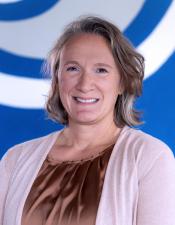
Dr. Dawn Bailey is a Board Certified Behavior Analyst (BCBA-D) with over 25 years of experience designing behavioral and learning programs for persons with emotional/behavioral disorders, autism and other developmental disabilities. Dr. Bailey received her graduate training in applied behavior analysis at Florida State University under Dr. Jon S. Bailey, where she was awarded her Ph.D. in 2008. She is a frequent presenter at behavior analysis conferences and gives workshops to teachers, parents, and staff on a variety of topics related to the practice of behavior analysis. She was a consultant to school districts, private families, and state agencies in Florida from 1998 to 2015. Dr. Bailey is a former member of the Behavior Analysis Peer Review Committee in the State of Georgia, which works with the state to improve the quality of behavior analysis services provided to individuals with developmental disabilities. Currently, Dr. Bailey directs Oregon Tech’s BIG ABA clinic, which provides ABA services to children and families throughout southern Oregon. Recent research projects include procedures related to accessing dental care in children with autism as well as more effective and efficient staff training practices. Dr. Bailey is an active advocate for practitioners and service recipients of behavior analysis and is the current President of the Association for Behavior Analysis (APBA).