
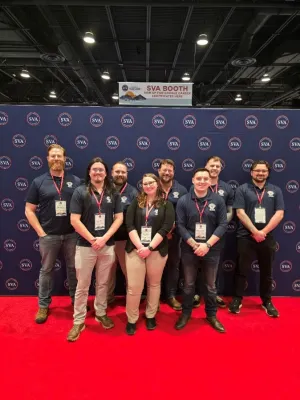
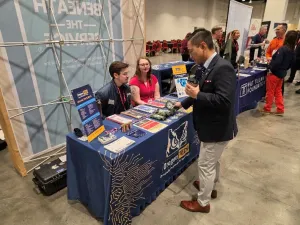
Representing the Oregon Institute of Technology, the Student Veterans Program team recently returned from the 18th Annual Student Veterans of America National Conference in Colorado Springs. The event, held at The Broadmoor Hotel, served as a "catalyst for change," offering the delegation a unique platform to advocate for the university’s polytechnic education while securing resources to better steward student veterans through their career transitions. Over the course of the conference, the team successfully managed our exhibitor booth on the SVA Campus, engaged in high-level networking, attended critical breakout sessions, and participated in community service, bringing back actionable insights to strengthen our Veterans Resource Centers (VRCs) and the broader campus community.
A primary objective of the conference was to connect with industry leaders and demonstrate the value Oregon Tech student veterans bring to the workforce. The team capitalized on the gathering of top-tier employers to explore recruitment and partnership opportunities. Significant conversations were held with representatives from Vets in Tech, leading to a promising discussion about a partnership that would allow student veterans graduating from applied computing programs to earn industry-recognized certifications at no cost. This initiative has the potential to significantly enhance employability outcomes for graduates entering the tech sector. Furthermore, the team established direct lines of communication with recruiters from major defense and aerospace contractors, specifically General Dynamics and Lockheed Martin. Both organizations expressed a strong interest in visiting the Oregon Tech campus for networking events and career fairs, provided they receive formal invitations. These potential visits would benefit not only the veteran population but all students in engineering and applied computing programs, reinforcing the university's reputation as a pipeline for technical talent.
The attendees participated in various breakout sessions designed to refine the operation of SVA chapters and improve career readiness. One standout session, "Getting Into the Tech Industry," provided pragmatic advice for veterans entering the civilian workforce. Panelists cautioned against the common pitfall of "overselling" military experience on resumes, which can inadvertently make candidates appear overqualified for vital internship roles. The session validated Oregon Tech’s current trajectory, highlighting the immense value of hands-on initiatives like the developing cybersecurity clinic. This clinic is viewed as a critical tool for bridging the experience gap found in many job postings, providing students with the practical skills needed to secure employment.
Another key area of focus was chapter development and history. A session on the role of the "Chapter Historian" inspired the team to look beyond simple record-keeping. The group is now exploring the creation of an "Oregon Tech Veteran Archive" to preserve the stories of student veterans and faculty, potentially recording these narratives to build a stronger institutional legacy. This concept was further supported by discussions with representatives from Discord, who suggested partnering to host monthly digital forums or roundtables to foster connection and community dialogue.
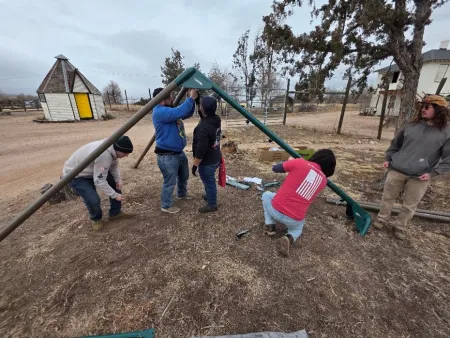
Beyond the boardroom and breakout sessions, the conference emphasized the "compassion and professionalism" that defines the student veteran community. In a demonstration of this commitment, the Oregon Tech team participated in a hands-on service project, working together to assemble playground equipment for a local community facility. This physical labor not only left a tangible positive impact on the Colorado Springs area but also served as a
bonding experience for the students, who represent diverse branches of the military yet find common ground in their current educational journey.
The experience culminated in the SVA Honors Gala, a formal event where the team celebrated their shared service and the "jam-packed" agenda of the previous days. It was a moment to reflect on the strength of the group—four students from different military branches sitting together, representing unique skill sets but a unified mission.
While SVA NatCon 2026 "is in the books," the work is just beginning. The attendees have returned with a clear roadmap for the coming year: formalizing partnerships with Vets in Tech and defense contractors, implementing a student veteran archive, and utilizing new tools to support career transitions. The connections made and the wisdom gained at The Broadmoor have positioned the Oregon Tech SVA chapter to grow, ensuring that student veterans are not only recognized for their past service but are fully equipped for their future careers.